


Bridge Tooling Explained: From Prototype to Production Without Delays
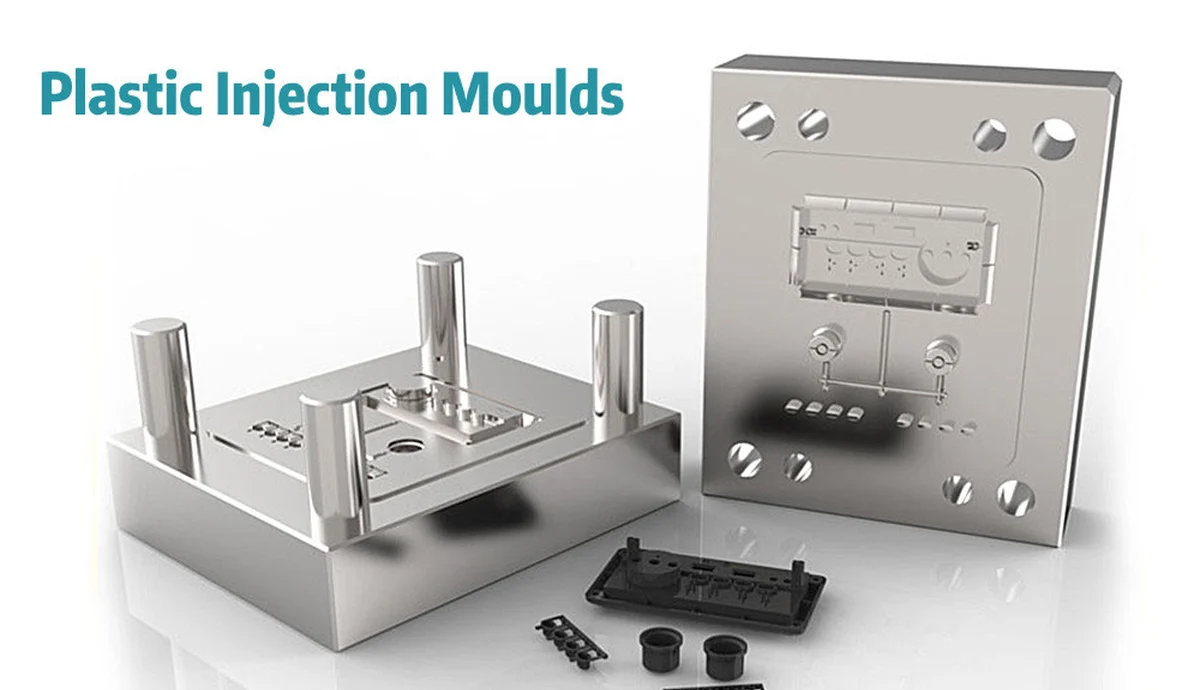
Bridge tooling is a temporary or limited-life injection mold that supplies qualified parts between prototype approval and routine production. At DJmolding, we recommend planning the bridge around the date the production tool can ship accepted parts. The gap includes toolmaking, trials, corrections, inspection, release, and shipping. A mold can be finished while the launch still depends entirely on the bridge.
Use bridge tooling when early molded parts have a clear job, such as supporting a customer pilot, an assembly build, or launch demand while a production tool is being qualified. Define how many accepted parts are needed, which tests those parts must pass, and what event allows the bridge to stop. This guide shows how to connect those decisions in one supply plan, with a worked example of a one-week slip.
What changes between a prototype, a bridge mold, and a production mold?
A prototype answers a design question, a bridge mold supplies a defined requirement, and a production mold supports the approved rate and service life. A printed or machined prototype can help establish geometry and assembly access. A bridge mold can provide parts made in the specified molding resin and reveal molding-related behavior. A production mold can add cavities, cooling, a different gate, or automation to meet the expected output. The three tools can support the same part drawing while producing different evidence.
| Route | Primary decision | Evidence to retain |
|---|---|---|
| Printed or machined prototype | Does the geometry and assembly concept work? | Fit observations, outstanding drawing changes, test limitations |
| Bridge mold | Can a limited quantity meet the requirements of the pilot or first shipments? | Approved drawing, material identity, lot results, available capacity |
| Production mold | Can the regular process meet the drawing, rate, and release requirements? | Cavity results, process records, representative run and release approval |
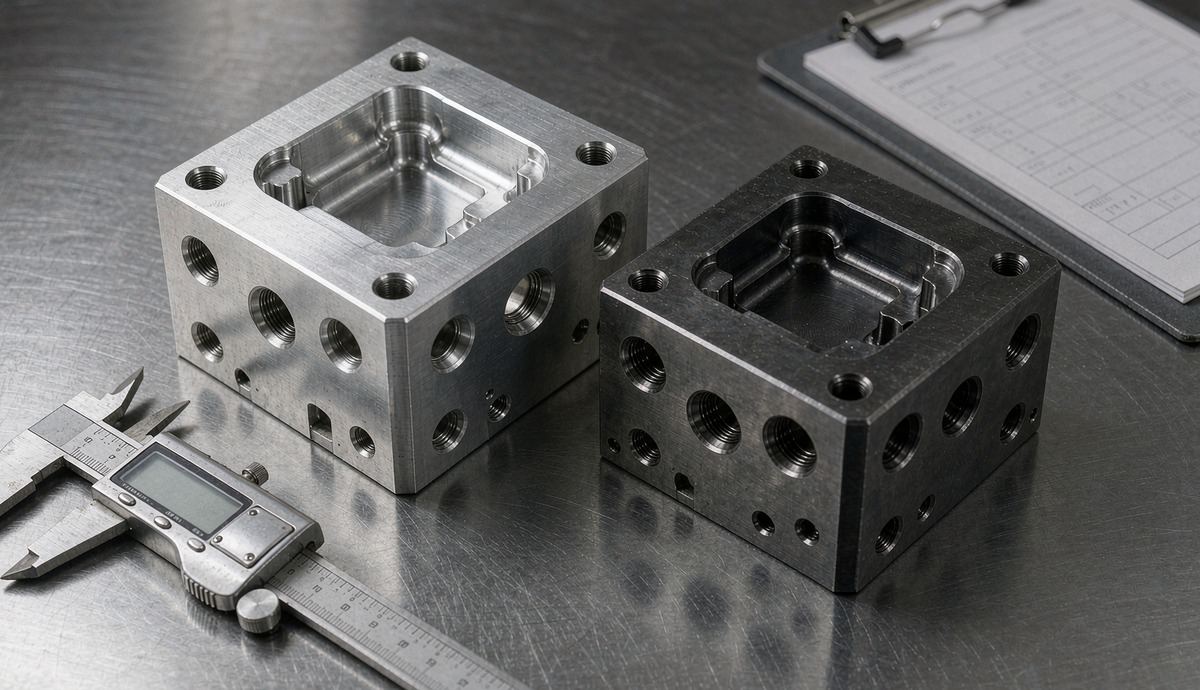
The term bridge describes the purpose of a mold. An aluminum tool can serve as a bridge and so can a prehardened steel tool or a design with replaceable inserts. Construction should follow the resin, geometry, wear points, finish, available trial time, and expected number of starts. A project that uses a bridge mold only for a single approved lot can make different decisions from one that must restart the mold every week until production is stable.
Our existing rapid tooling guide explains the tooling route. For a bridge order, add a written list of the milestones the interim tool must cover. A promise to deliver first samples quickly answers a different question from a commitment to deliver conforming launch lots throughout a production transition.
When does bridge tooling actually protect a launch?
Bridge tooling protects a launch when interim parts can be released before the production tool and when the time gained matters to a real milestone. A customer may need units for a scheduled build or the assembly team may need a limited batch before the regular line is ready. If the production mold can deliver approved parts before that date, a second tool adds spending and validation work with little scheduling benefit. If the design is still changing, the value of a bridge depends on which features are stable enough to commit to steel or aluminum.
Give each early lot a use and an owner. Engineering samples can be marked and kept separate from units approved to ship. A customer trial may require a defined resin and a dimensional report, while a commercial shipment may need additional cosmetic, traceability, or process approvals. A batch counts toward available supply only after it passes the release requirements for its intended destination. This is how a schedule avoids counting trial parts as customer inventory.
Work backward from the first required delivery date. Allow time for transport, approval at the receiving site, packaging, inspection, molding, trial corrections, and toolmaking. Confirm which steps can overlap and who can approve them. Scheduling a bridge run and production-tool trial on the same press, with the same crew, can leave one activity waiting for the other. Put both tools on the same resource calendar before offering shipping dates.
Which decisions can be made before the production tool is released?
Separate the production-tool work that can proceed from the features that depend on bridge results. A project may be able to reserve a mold base, plan press capacity, check the cavity layout, and review supplier drawings while a pilot is in process. Critical shutoffs, sealing surfaces, fit details, and visible texture may need more evidence before final cutting. Write down what can be started, how much rework that decision exposes, and who can authorize it.
Use a drawing revision at every decision point. The bridge tool may be released on one revision, while the production tool incorporates the next approved change. Record when the change enters each tool and how old inventory will be identified. A change to a latch, for example, can make an older part incompatible with a revised mating component. An agreed plan for that inventory can prevent a shipment from reaching an assembly line that can no longer use it.
A replaceable insert can help where uncertainty is limited to a local feature. Compare the effort of a removable insert with the rework that a later change would cause in a solid tool. Check the proposed insert split, witness line, fit, and maintenance implications with the toolmaker. If the uncertain feature affects the overall wall shape, gate choice, or ejection strategy, a local insert may solve only part of the problem. Resolve the design question before making the irreversible cut.
How do you calculate a bridge lot from demand and calendar risk?
Calculate the bridge requirement in accepted parts by week, then convert it to expected molding starts. Start with usable stock, subtract confirmed demand in each period, and add only batches expected to pass release in time. Include separately held samples and customer-specific inventory reservations. Use the output assumption for the actual tool, number of usable cavities, and expected proportion of accepted parts to estimate the press time needed. Keep material and packing capacity on the same plan.
Consider an illustrative enclosure launch with demand of 500 accepted parts per week. It has 200 accepted parts on hand and expects the first qualified production-tool lot to arrive at the start of week five. Four weeks of demand total 2,000 parts. If the buyer wants an additional 500 accepted parts in stock at the end of week four, the bridge needs to supply 2,300 accepted parts. This number is the planned supply quantity after inspection and release.
| Week | Accepted bridge receipts | Customer demand | End-of-week usable stock |
|---|---|---|---|
| 1 | 700 | 500 | 400 |
| 2 | 600 | 500 | 500 |
| 3 | 500 | 500 | 500 |
| 4 | 500 | 500 | 500 |
The example assumes receipts are available before the related withdrawals. If shipping occurs on Monday and a bridge lot clears inspection on Friday, an end-of-week balance can hide a shortfall. Set dates within each week when pickups or customer assembly schedules are fixed. Keep an inspection hold visible as a separate stock category so future receipts cannot silently replace inventory that is already released.
If the bridge yields 95 percent accepted parts and has one working cavity, 2,300 accepted units would require about 2,422 cycles at that planning yield, before separate setup or validation shots. Check how the supplier defines yield and which cycles are included in the tool life and quote. If a forecast includes sorting, setup, or shutdown losses elsewhere, identify those quantities so the same losses are counted once.
What should happen if production approval slips by one week?
Use the weekly inventory projection to determine when the next bridge decision must be made. In the enclosure example, 500 accepted parts at the end of week four can meet week-five demand if the production lot is late. The balance then reaches zero. The team can maintain supply for that week, while any additional delay, rejection, or demand increase creates a shortfall. If the 500-part buffer must still be present at the end of week five, plan another 500 accepted parts.
Identify the last date at which an extension order can clear all its steps. If an extra bridge run takes several working days plus inspection and transport, a decision on the day the buffer is consumed comes too late. Reserve a press window or staged material where the cost of a missed shipment warrants it. Agree on the event that releases that reserve, such as approval and dispatch of the first production lot.
Maintain a separate decision for commercial demand and qualification. A production mold trial can create parts for measurement, some of which may later be used under an agreed release plan. Until they are accepted, keep their quantity out of the shipment forecast. The bridge remains responsible for the shortfall that would occur if the trial requires a correction. For broader launch planning, see our low-volume production ramp guide.
Which measurements should carry from the bridge to production?
Carry forward the drawing, test methods, and observations from bridge molding, then reverify characteristics affected by the production process. An assembly check from a bridge lot can confirm that a particular drawing revision fits the mating part under the test conditions. A production tool with a new cavity layout or gate can change how the part fills, cools, and shrinks. Those process-dependent outcomes need evidence from the production configuration.
Give both molding teams the same measurement plan, including datums, fixture, timing after molding, cavity identification, and conditioning requirements where relevant. For a snap-fit enclosure, two suppliers can get different results if one measures a freely resting part and the other clamps it flat. Establish the method before deciding that a dimensional difference came from the tool. Retain physical samples where they help clarify surface appearance or assembly behavior, and identify the lot and revision of each sample.
Review parts from each relevant production cavity. Look at dimensions and functional features that could shift with filling, packing, ejection, or cooling. Use the approved resin grade and verify sample identity. Record the conditions of the trial and the release scope so everyone can distinguish a first-off check from a run that demonstrates repeatability under the agreed production conditions. The level of evidence should match the application and the buyer-approved quality plan.
If the bridge and production sources use different molding presses, compare the intended press and mold interfaces and identify which process settings need to be established on the receiving equipment. The bridge settings provide context for the trial. The production process record should reflect how the mold performs on the actual production cell. A validated recipe for one press cannot establish the process capability of another cell by itself. Tool transfer checklist.
How should buyers price the overlap between two molds?
Compare each route against the same customer delivery dates and acceptance requirements. Include bridge and production tool charges, samples, mold changes, inspection, packaging, freight, and any overlapping capacity or storage. Ask for the recurring part price at the planned quantity. If a route leaves the first customer delivery uncovered, show the impact in the schedule rather than hiding it in a unit-price comparison.
Separate firm bridge quantities from extension options. A quote can cover the first approved lot and state the price, lead time, and tooling condition assumptions for an additional run. Agree how the supplier will review remaining tool capacity and inspect wear before accepting the extension. The ability to place a follow-on order is useful only if the mold, compatible press, material, and people can be available in the required window.
Assign ownership and maintenance responsibilities for both molds. Specify whether the tool can move between sites, who holds the drawings and maintenance records, and who is responsible for the equipment interface at the receiving facility. Ask whether a shared mold base or proprietary system restricts transfer. For a bridge that stays available as a reserve, agree on storage, inspection, and how the tool is returned to service before an urgent order.
When is the production mold ready to take over?
Transfer regular orders when the production mold has passed the agreed checks and accepted units can reach the customer at the required rate. An authorized person should confirm the drawing revision, approved materials, cavity results, functional checks, labeling, and any customer-required documentation. Check the first shipment date and the available stock at the receiving location. A successful trial is an important milestone. The supply handoff also depends on released quantity, transport, and the next scheduled run.
Use a short overlap when losing both sources would stop an important build. A team might keep a small amount of approved bridge stock until the first production shipment is received and inspected. Decide how that stock is identified and whether it can be mixed with production parts in a shipment. Customer approval may apply to one source, lot, or revision. Match the inventory policy to the actual scope of the approval.
Decide what happens to the bridge mold once the production route is stable. It can remain available for a bounded backup role, be used for agreed service parts, or be retired. Each choice has an owner, cost, and condition for reuse. If a new design revision makes bridge parts obsolete, record which orders may still use the former revision and when it should be taken out of circulation.
How can both suppliers work from the same handoff record?
Use one controlled handoff record for the bridge toolmaker, production toolmaker, and buyer. The record should connect the part number and revision to the mold identifier, resin grade, approved lot, cavity identification if used, and any temporary deviation. Attach the current inspection method and the open decisions with their owners. A drawing alone does not tell the production team how a pilot lot was measured, why a feature was changed, or whether older stock is still usable.
In the enclosure example, suppose customer testing exposes a latch issue during week two. Engineering can define the revised geometry while procurement checks whether already accepted stock can still be used for the original mating assembly. The toolmaker should mark which bridge units will keep the earlier revision and identify how the new revision will enter production. Keep the two balances separate. Adding original and revised inventory together can make a weekly forecast look healthy even if neither balance can cover its assigned orders.
Assign a named reviewer and due date to every release dependency. For example, engineering can approve the drawing revision, quality can confirm the trial evidence, and purchasing can authorize an interim extension. Give the shipping team a visible status for each lot rather than relying on an approval message buried in email. When a trial date changes, update the same record with the revised approval and arrival assumptions so the extension decision is based on the current schedule.
Which changes require a fresh decision during the overlap?
Revisit the supply and qualification plan when the delivery date, drawing, resin, or receiving process changes. A one-week delay may be covered by available bridge stock. A revised mating interface can make the same stock unusable. A different resin grade may affect both the purchased material already on hand and the evidence needed for release. Assign each change a defined effect on usable inventory, molding capacity, and the next approval. This makes it possible to agree which expense or schedule change actually solves the problem.
For a short weekly review, show opening accepted stock, confirmed orders, expected approved receipts, reservations, and closing balance by revision. Include the latest date for ordering another bridge lot and the expected date the customer can receive regular production parts. Record one decision if the balance falls below the agreed buffer. The decision might be to authorize an extra lot or reallocate supported deliveries in agreement with the buyer. Review the plan until the production source can supply the normal cadence.
What belongs in a bridge tooling RFQ?
Send the drawing and a dated supply plan together. Provide CAD and the controlled drawing, resin grade, appearance and fit requirements, forecast demand by week, sample needs, customer release steps, and the target date for the production tool. Ask for the assumptions behind tool construction, usable cavities, lead times, output, and acceptance. Mark dates that are firm and show which volumes depend on customer approval or market demand.
Request a clear view of dependencies between the two tools. Ask when the team needs decisions on gate witness, insert features, texture, or an unresolved tolerance. Identify what can proceed before that decision and what work would need to be redone if it changes. A complete quotation identifies both the part delivery milestone and the information needed to meet it. Our guide to functional molded prototypes explains what to prepare for the early engineering review.
Define the review that ends the bridge. Give the buyer, toolmaker, quality reviewer, and production team the same list of deliverables and assign who can release parts from each tool. Request an option for a short extension if the program depends on a fixed customer build. This lets the team make a decision about backup supply before the last accepted bridge part has been allocated.
Plan your prototype-to-production handoff with DJmolding
DJmolding offers injection mold tooling and low-volume manufacturing services for business customers. Send your drawings, target material, pilot quantities, weekly demand, and required delivery dates. Tell us which tests and approvals your first shipment must pass and whether you need pricing for an interim mold, a production mold, or both. We can review the part, identify information needed for quotation, and discuss the order milestones with your team. Contact DJmolding for a B2B tooling quotation.
